
Session 1:
Community Is Critical Infrastructure
1 AIA LU|HSW
Resilient communities are built on trust, connection, and shared responsibility long before disaster strikes. This opening session explores how strong social networks, neighborhood cohesion, and community stewardship improve survival, recovery, and long-term well-being following earthquakes, wildfire, extreme weather, and other disruptions. Participants will examine how architects and allied professionals can help cultivate the social foundations that enable communities not only to endure crises, but to thrive afterward.
Panel
Moderator: Alan Scott, FAIA, Lead Fellow, Executive Leader in Sustainable & Resilient Design, Intertek
Juan Carlos González, Council President, Metro
Adele Houghton, President, BioSitu, LLC
Victoria Salinas, Climate Leader in Residence, Duke University
Laura Blaul, Sr. Wildfire Fellow, IBHS
Cost:
$15 a session for AIA and NOMA members,
$40 for non-members
Register for all four and get one free! (Click on the links to learn more about each session).
Session 1: October 2, 12-1pm - Community is Critical Infrastructure
Session 2: October 9, 12-1pm - Equity, Trust and Who Recovers First
Session 3: October 16, 12-1pm - Designing Places That Create Belonging
Session 4: October 30, 12-1pm - What Architects Can Do Monday Morning
Panelists:
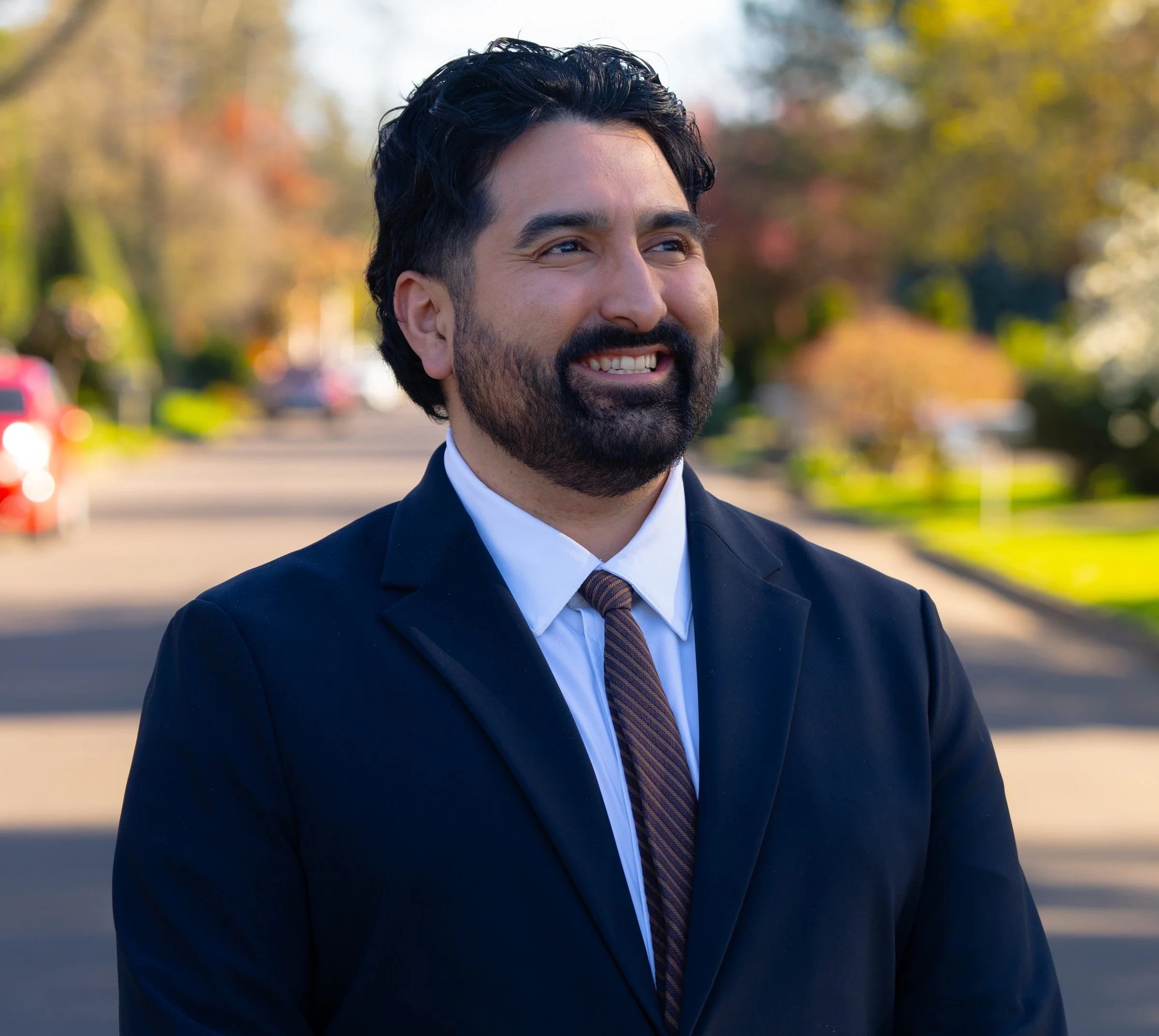
Council President Juan Carlos González, Metro
Council President Juan Carlos González (he, him, él) is the first Latino to serve as Metro Council President, as well as the youngest. He is the proud son of immigrants, born in Forest Grove and raised in Cornelius. From 2019-2026 he represented District 4, which includes Western Washington County.
Throughout his career at Metro, he has focused on economic development, affordable housing, transportation justice, and creating a region where everyone can afford to belong. At Metro, he currently chairs the Supportive Housing Services Regional Policy Oversight Committee (SHS RPOC) and Future Vision Commission.
González earning a bachelor’s degree in economics and government from Georgetown University. Prior to becoming Metro Council President, he worked as Chief Strategy Officer at Centro Cultural, a Cornelius-based nonprofit that works with families to create self-sufficient, engaged citizens. He lives in the Oak Hills neighborhood in Beaverton with his wife, Lorena, and baby daughter Sofia.
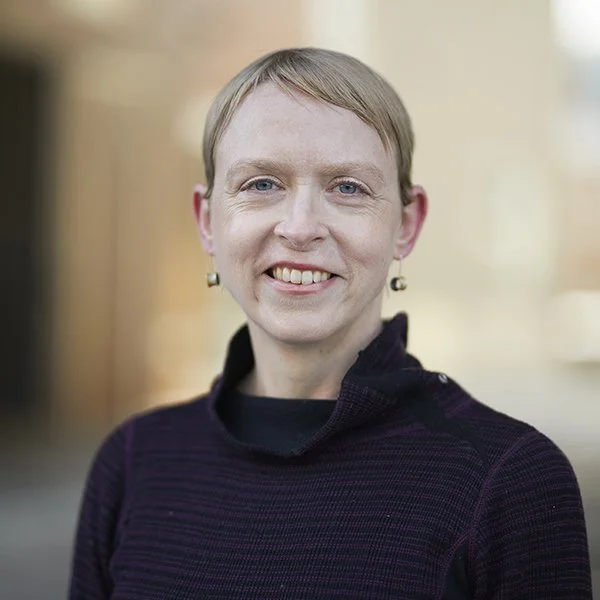
Adele Houghton, President, BioSitu, LLC
Adele Houghton, FAIA, DrPH, LEED AP, is President of Biositu, LLC where she works at the intersection of buildings, public health, and climate change. She is a member of the American Institute of Architects College of Fellows and received a Doctor of Public Health (DrPH) degree from the Harvard T.H. Chan School of Public Health, where she also teaches. Her book Architectural Epidemiology (Johns Hopkins University Press, 2025), co-authored with Professor Carlos Castillo-Salgado of Johns Hopkins University, proposes a novel method for architectural design: combining neighborhood-scale environmental health data with participatory community engagement to maximize a building’s positive ripple effect on community and planetary health.
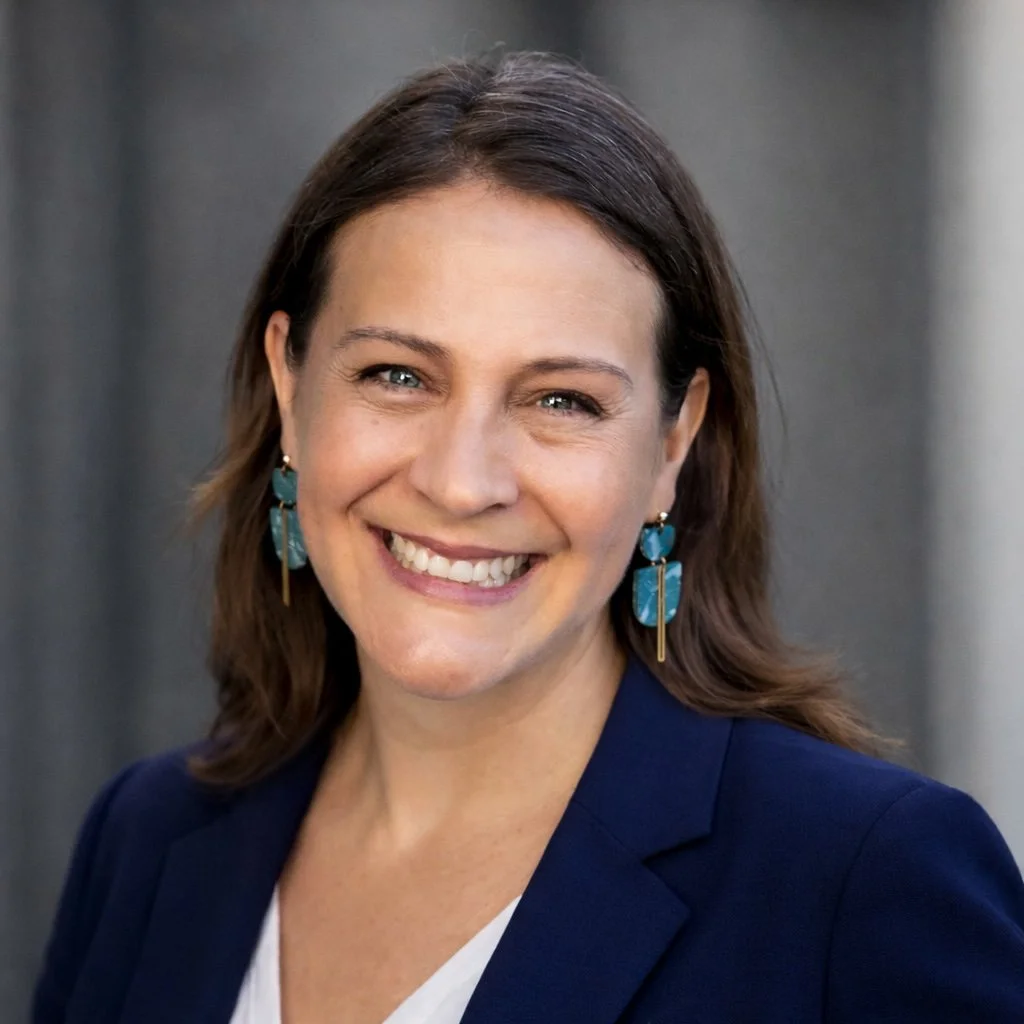
Victoria Salinas, Climate Leader in Residence, Duke University
Victoria Salinas is a Climate Leader in Residence at Duke University, an advisor to Teneo, impact investors, and other mission-driven organizations. She also serves on the Board of Directors of ICLEI USA – Local Governments for Sustainability and the American Institute of Architects (AIA). In these roles, she works with governments, businesses, academia, non-profits, philanthropy and communities to unlock investment for resilience, connect public and private capital, and scale solutions that protect people and places.
Previously, as Deputy Administrator for Resilience at FEMA, Victoria led a 3,000-person team and managed nearly $10 billion annually to strengthen resilience nationwide. She oversaw the National Flood Insurance Program, hazard mitigation grants, and revolving loan funds. Under her leadership, FEMA directed more resources to the most at-risk communities, expanded direct technical assistance fourfold, launched new initiatives to make climate adaptation more accessible, and set higher flood protection standards for federally funded infrastructure.
Her career spans local, national, and international roles. As one of the world’s first Chief Resilience Officers, she helped the City of Oakland, California prepare for climate, seismic, and socio-economic challenges. At FUSE Corps, she scaled innovation through the FUSE Corps executive fellowship, embedding private-sector expertise into city governments across the US. At the World Bank, she managed grants that informed $100 million in disaster risk reduction and adaptation investments across Latin America and the Caribbean. Earlier in her career, she worked with the United Nations on post-conflict recovery in Africa.
A Chilean-American raised in Austin, Texas, Victoria holds degrees from the Harvard Kennedy School and Georgetown University. She lives with her husband and two young sons, balancing her professional mission with a personal commitment to resilience at home.
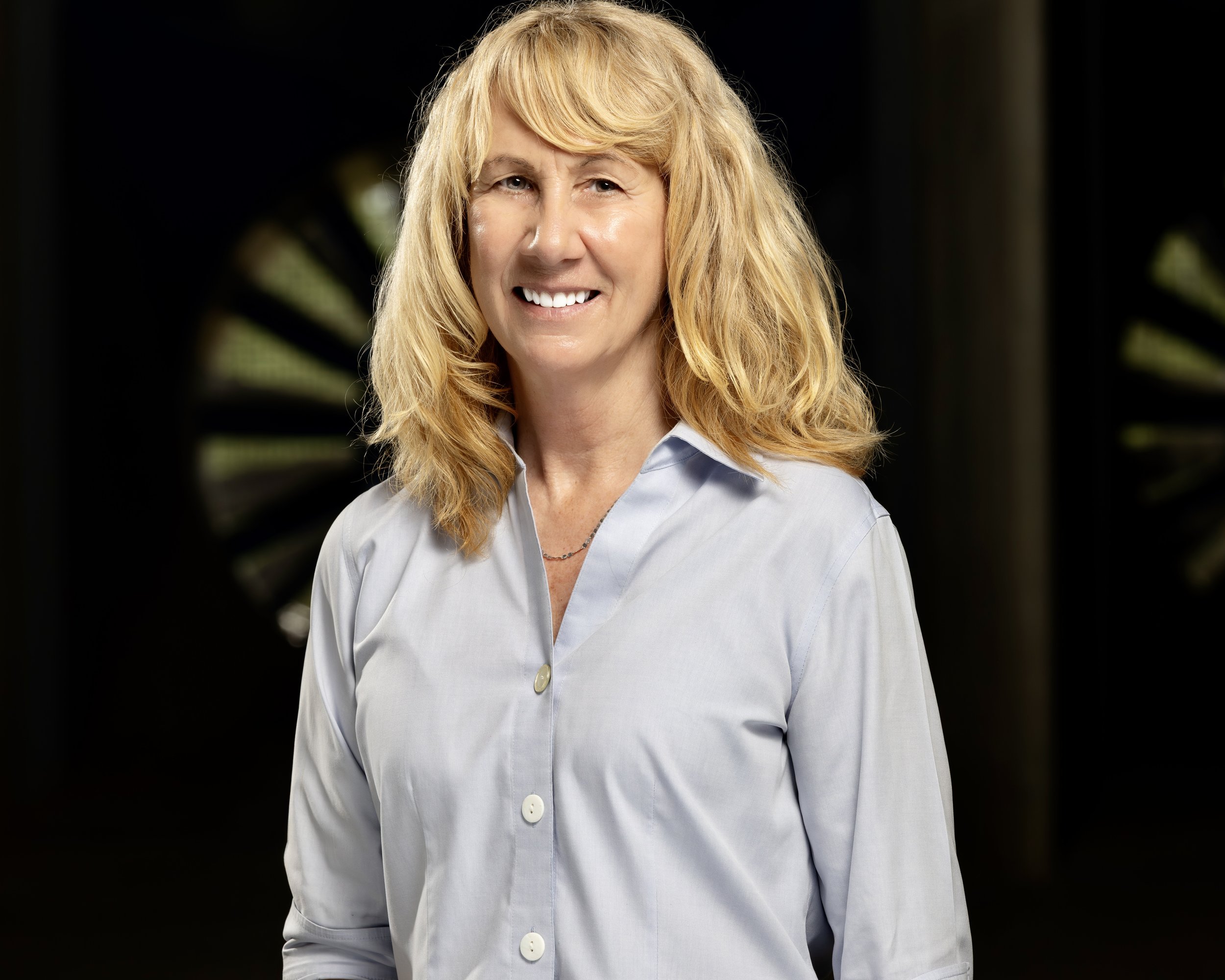
Laura Blaul, Sr. Wildfire Fellow, IBHS
Laura is the Sr. Wildfire Fellow for the Insurance Institute for Building & Home Safety (IBHS), where she leads collaborative efforts to advance wildfire resilience through strategic partnerships, applied research, and community engagement. She also serves as Chair of the Board of Directors for the California Fire Safe Council, working with public safety professionals, local governments, and residents to promote proactive wildfire mitigation.
Laura is the retired Assistant Chief and Fire Marshal for the Orange County Fire Authority where she led the Community Risk Reduction Department, transforming compliance-based approaches into data-driven strategies focused on measurable outcomes and lasting resilience.
Moderator:
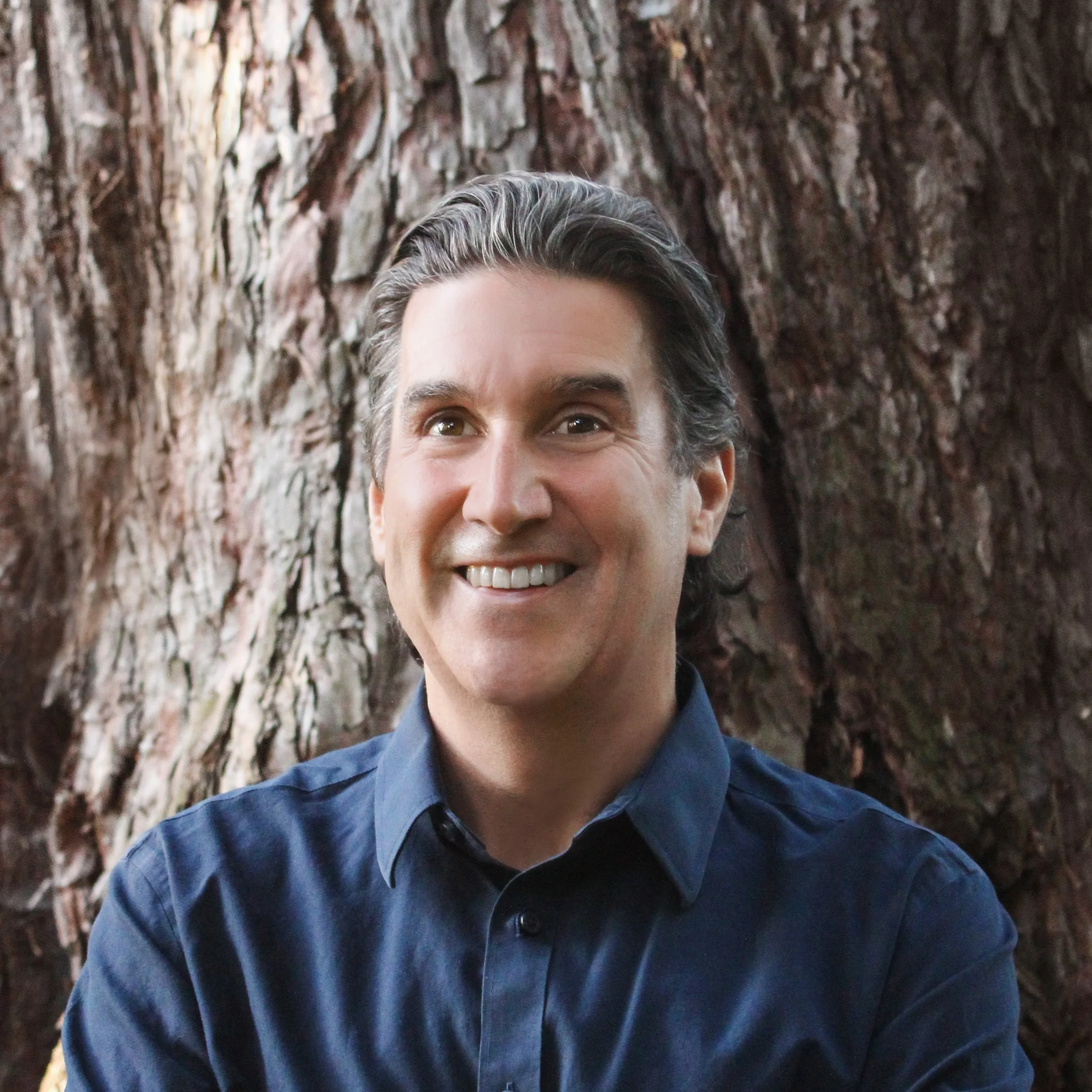
Alan Scott, FAIA, LEED Fellow, is an architect and nationally recognized leader in sustainable and resilient design with more than 38 years of experience advancing healthier, lower-carbon, and more resilient buildings and communities. As Director of Sustainability with Intertek Building Science Solutions, he leads climate risk and resilience services and advises owners and project teams on strategies to reduce vulnerability to natural hazards. Alan co-chairs the AIA Resilience & Disaster Response Committee and has helped lead AIA Oregon’s Resilience Series, bringing together practitioners and experts to advance resilience in professional practice. He also serves in national leadership roles with the U.S. Green Building Council, including the Resilience Task Force and LEED Resilience Working Group, where he has helped integrate resilience into LEED v5. His current work explores how architects can look beyond physical infrastructure to strengthen the social connections, community capacity, and stewardship that enable communities to endure, recover, and thrive.