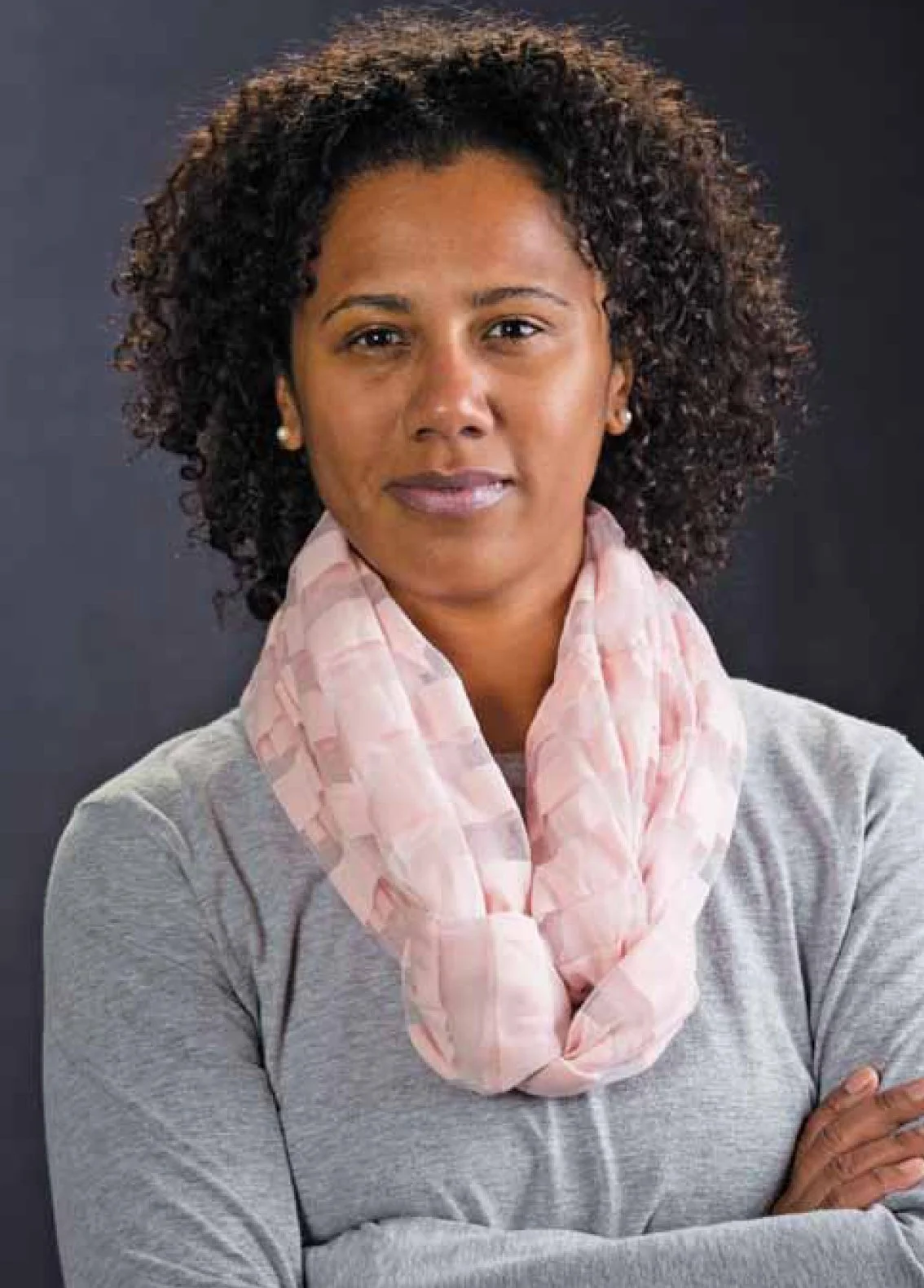
Message from the Chair of the Committee on Equity, Diversity, and Inclusion (CoEDI)


Mohamed Fakhry, Associate AIA
Chair, Committee on Equity, Diversity, and Inclusion (CoEDI)
Co-Chair Emerging Professionals Committee (EPC)

Hope these first few months of summer have been as warm and sunshine filled as ever!

I have never been more optimistic about the future of design as I am today. I know and believe that each of us are beautiful and amazing humans in our own ways, in how, we each contribute and challenge the profession of architecture, and push for more diversity, more equity, and more inclusion, within and beyond the walls and barriers that reflect architecture as a whole.

Over the course of the past few months, I have been pondering many questions regarding the AIA Oregon Committee on Equity, Diversity and Inclusion (CoEDI) commitment to DEI efforts in Oregon and beyond. Earlier in the Spring, I remembered that our opportunities to share spaces, sit together, engage, and critically discuss DEI have always been a challenge. This idea of us being able to better the profession from many different perspectives and many different experiences made me ask, what can we, as architects and designers do better and more? Why do we as architects and designers need to do better and more?

I realized that asking these questions together to find solutions will not just reflect what CoEDI stands for, but further help us address some of the many challenges the design profession faces to this day! These thoughts and questions, combined, made we wonder, can we "Elevate" design? and more specifically, what will it take to “Elevate” design as the future stays ever brighter on the horizon?

My hope and commitment as chair of the CoEDI is and will remain the same -  to give us all a platform to engage, learn together, and ask questions, acknowledging and pushing for DEI education as much as we aim to answer and solve historical problems. That is why I am extending you all an invitation to attend this year’s Future Vision Symposium, which will be held Virtually on August 17 & 18, 2023, followed by an in-person evening social on August 18 at DLR Group in Portland to celebrate our learning together!

CoEDI has been able to reach out to and invite 16 amazing humans that include the AIA 99TH President Emily Grandsatff Rice, FAIA and many more. This will give us all an opportunity to be in the room, and listen, and ask, and learn about the many different ways  we can approach this idea of how to "Elevate" design. 

From panel sessions discussing Women in Leadership, Women in Sustainability, the importance of understanding the challenges of accessibility, and the Pipeline Between Academia and Practice, this year Future Vision has me excited, and it is my hope that you are as well. As August gets close and the sun keeps beaming its golden rays, I am very much looking forward to meeting some, if not, many of you at the virtual symposium and in-person reception. We have so much to learn together.

Warmest Regards!
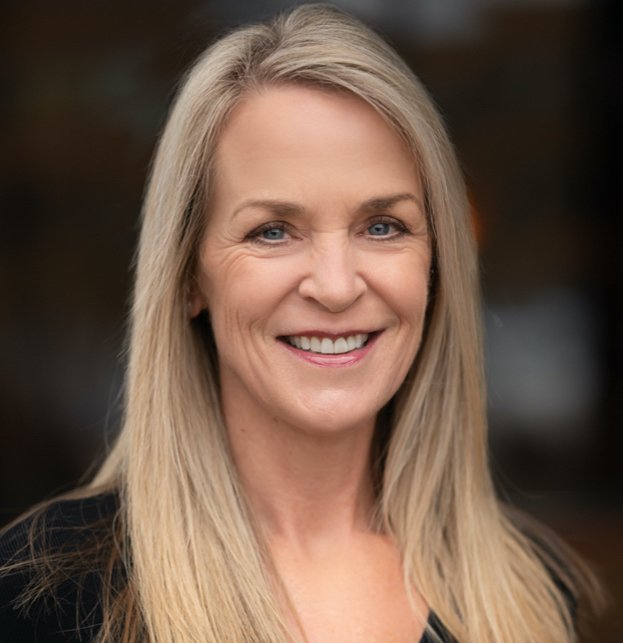
Message from the Legislative Lobbyist to AIA Oregon


Cindy Robert, Legislative Lobbyist to AIA Oregon, Rainmakers LLC

What Would Peter Courtney Do?

I could not help but ask myself this question as the Senate Republican walkout left me far too much time waiting in the Capitol halls. Almost 6 weeks of wondering if months of work would be lost.

I looked back at my 2019 end of session report which showed how Senate President Courtney handled walkouts when they happened on his watch.

Senator Courtney was a broker between the two parties and his goal was always maintaining respect for the institution. He did not engage in press releases that made anyone look bad. He did not pick a side or use words that could not be taken back. He did not question the integrity or motives of legislators who truly believed they were standing up for their constituents. He rose above. The majority and minority parties bickered, he mediated.

That referee was seemingly missing this time and the ideological divide was highlighted by media.

Thankfully, after weeks, our leaders ended up putting Oregon first – our budgets, our needed policies on homelessness and mental health, our urgency to have the matching funds required to apply for federal funds for semiconductors and a new interstate bridge, and our need to address wildfire, water, public defense and drought crises.

Senator Courtney led us for two decades – he set a high bar – and in the end, the new leadership did what he would have done…compromise.

The next set of concessions must be about how we run future legislative sessions. I am not talking about quorums or walkouts, I am talking about how we go about policymaking that is truly a public process. Amidst all the new technology and the public input we have been able to increase since COVID pushed us to perfect virtual testimony, there is actually less input into the decision making of our policymakers.

The reason? Almost 3,000 bills and so many people wanting to provide insights and opinions on those bills. Three minutes each (and in some cases just 90 seconds) allotted to provide public input means we are collecting sound bites, not knowledge. Bills would move to a work session with only one hearing – amendments were often posted and voted on without more input – the record was open for people to provide written thoughts, but speaking makes sure you are heard – legislators made appointments to hear from lobbyists and constituents in 15-minute increments.

The solution is not less public participation, it is fewer bills. I say this as someone who often asks for bills to be introduced – would I want to make it even harder for that to happen? I think it is the only way to make sure we are making GOOD policies, not just many.

I also believe the amount of bills makes it so legislators cram what should be a year’s worth of work into a few months. This is hard on them, their families, their other jobs and their lives. We have a “part-time citizen legislature” – but do not be fooled – they work overtime in session and are spending more and more time each year doing legislative work during the interim. They deserve better pay.

And to be clear when considering the last two points I made – fewer bills will not mean less work for legislators, it will mean they can actually do more on each bill instead of simply rubberstamping. Much of that went on this session, partly due to walk out and short time for the House to pass a slew of Senate bills they finally received, and partly because it is a common result of one-party control. Fewer bills will mean more time for each issue to be more thoroughly considered, discussed, public input provided and actually amended and improved, mitigating the inevitable problems we end up having when laws are passed too quickly and language and impacts are not thoroughly parsed.

After more than three decades working in the building, I feel like I can say these things with knowledge of how things are, how they have changed, what is better and what is not. I, like Peter Courtney, have huge respect for the institution and the people working there, and I want to see it succeed. I continue to say I am about “how” not “no” as I work toward meaningful public policy in a world that needs more compromise.

I am honored every day by your trust in me to represent you at the Capitol and your partnership as we try to improve Oregon together.

The above was the introduction to Cindy’s 2023 General Legislative Session Recap. Read the recap section she wrote that focuses specifically on activity of specific interest to architects and AIA Oregon HERE

To read the entire report, go HERE.

Message from the AIA Oregon EVP/CEO


Heather Wilson
AIA Oregon EVP/CEO

You Don’t Have to Take My Word For It

I’m a child of the 80s and I’m not ashamed to admit it. I was raised in a way that most parents now (including myself) might find feral – drinking from water hoses, taking back alleys and hidden creek trails to friends’ houses and buying candy from the gas station up the street whenever I wanted. Both of my parents worked 12-14 hour days. During the school year that meant I was a latch-key kid; over the summer that meant I was in charge of myself (and my little brother). Most days were filled getting rides to the pool with other kids’ moms who stayed at home. I paid $1.50 of my allowance every summer for a token I would carefully sew into my bathing suit strap so wouldn’t lose it. It entitled me to a (dry) bologna and cheese sandwich, a capri sun, and a bag of plain chips (shoutout to Cincinnati Parks and Rec); but more importantly, it allowed me admission to the neighborhood pool for the entire summer. Similarly, I would march myself to the Madisonville Public Library and load up on all the fiction my arms could bear, not only because I loved to read, but because my adult sister worked there, she let me go over the checkout limit with an eye roll and a quick “Now go home!” hissed through her clenched librarian smile.

On the days you didn’t find me out running the streets like one of the Goonies, I was at home, trying to beat the insufferable Cincinnati heat index watching TV. The local PBS station had a lineup that I loved: 4 episodes of “Great Chefs of America” followed by 2 episodes of Reading Rainbow. That show had my rapt attention, even after I had CLEARLY outgrown the materials they were reading. There was something about hearing the conversation around reading that I was transfixed to. My favorite segment: kids’ book reviews. LeVar (Burton) would always start the segment by talking about a great book he was finishing up, mention that the library was FULL of great books like these, then say  “…but…you don’t have to take my word for it!” and 4 or 5 kids would review their last favorite read. It reminded me that reading wasn’t just a thing to do for grownups – it was meant to be enjoyed, and really is an act of self -care to carry your whole life.

I’m grown up now, and finding time to read is so difficult – but I still believe it’s an act of self-care, just as important as brushing your teeth or keeping a good sleep schedule, so I make time for it. You don’t have to take my word for it: Business Insider has a list of 14 reasons why you should read everyday with the article 14 Reasons Why Reading Is Good for Your Health. It helps our brains stay pliable as we age, and provides us with a sense of calm almost immediately. It provides an outlet for emotion and honestly just communicates to the rest of the world that you’re taking a little time for yourself.

I hope you have a fabulous summer full of activity, time off, and sunshine. If you’re inclined, take the time to investigate these finds that I’m already enjoying as the summer heat unfolds. I selected these books because they all spoke to some element of change or triumph, questioning our way of understanding each. But you don’t have to take my word for it! Check out the reviews. Enjoy!

Lessons in Chemistry
Bonnie Garmus
(Doubleday, 386 pp., $29)

 The Color of Law
Richard Rothstein
(Illustrated. Liveright Publishing, 345 pp., $28)

The Pearl District
Bruce Johnson
(Illustrated. Pearl Light Publishing, 331pp., $19)

Dog On It
Spencer Quinn
(Atria, 312pp., $12)