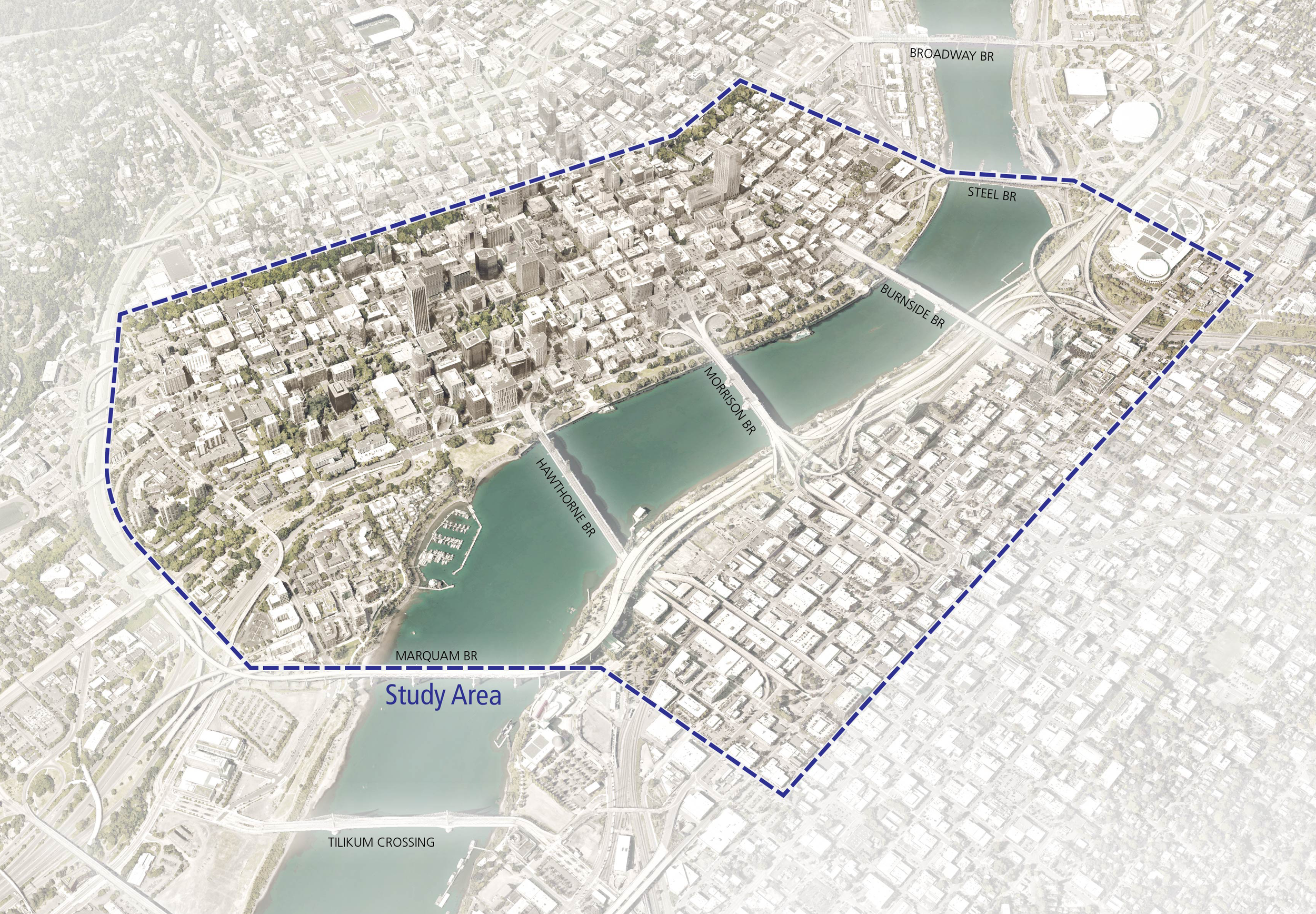
March Urban Design Panel - Central City Waterfront Urban Design Study
The City of Portland Bureau of Planning and Sustainability (BPS) and Mayer/Reed will share the findings from the Central City Waterfront Urban Design Study, which identifies opportunities for urban design interventions and redevelopment along the Central City waterfront of the Willamette River. This collection of strategies is intended to focus public investments, facilitate private development and support community initiatives in the district east of 4th Avenue in Old Town/Chinatown, Downtown and South Downtown. The menu of ideas presented will vary from interim, temporary and tactical treatments to more permanent medium-term projects.
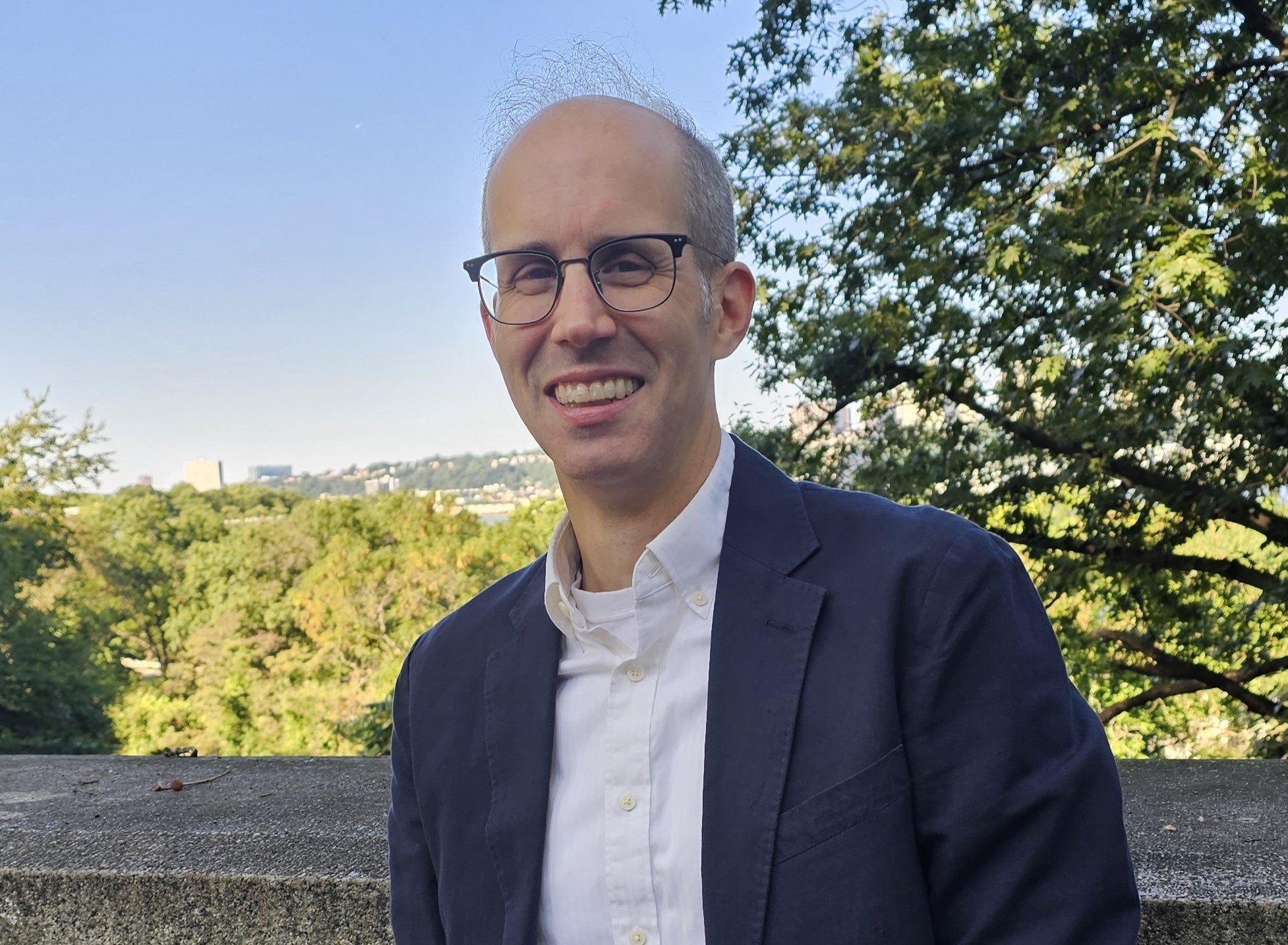
Ryan Singer, AICP, is the Principal Planner for Long-Range Planning and Urban Design for the City of Portland Bureau of Planning and Sustainability. He has over 20 years of experience in planning in New York City where he led the Bronx Office of the Department of City Planning, served as Executive Director of the Board of Standards and Appeals, and Senior Director of Land Use and Commission Operations for the Department of City Planning. His work includes area-wide planning, development of urban design guidelines, strategic planning, and change management. Ryan has a master’s in urban planning from the University of Washington and is happy to return to his roots in the Pacific Northwest.
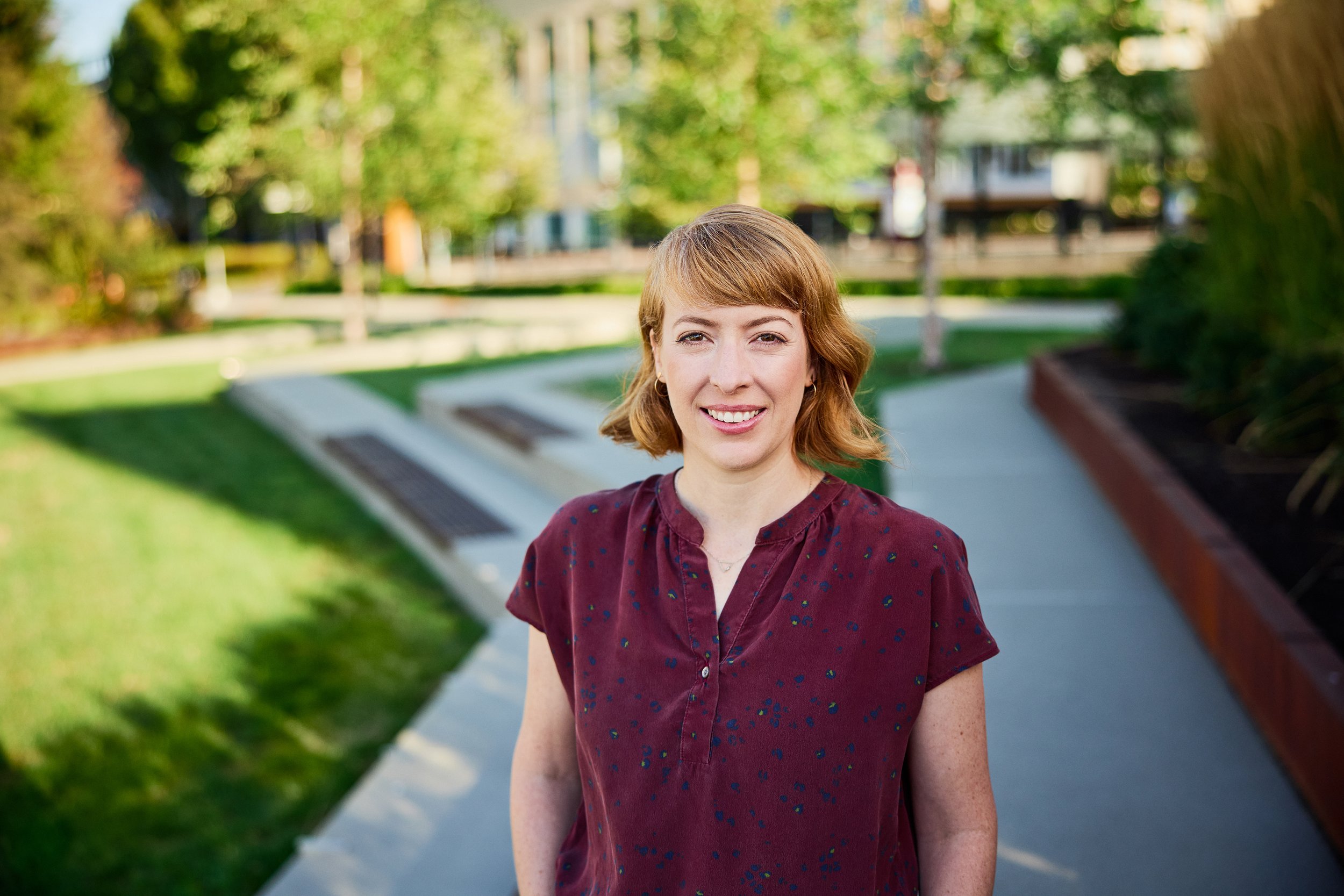
Shannon Simms, ASLA, is a principal at Mayer/Reed in Portland, Oregon, where she leads an urban design and landscape architecture practice. She has spent her career exploring the placemaking potential within the right-of-way on a wide variety of transportation projects. She has served on the Executive Committee of the American Society of Landscape Architects (ASLA) Oregon Chapter and has taught urban design and landscape architecture at University of Oregon. She has a master’s degree in landscape architecture from Harvard University. Shannon is inspired by travels in both wilderness and urban areas on foot and by bike and she tends to think about landscape architecture in terms of movement.