SquareOne’s Rosa Village Co‑op Tour
2 AIA LU|HSW
The project features 52 permanently affordable homes as a limited-equity housing cooperative located at 2243 Roosevelt Blvd, in Eugene, OR.
Registration for this event has closed.
Lead by:
Cultivate: Dylan Lamar - Principal Architect
Aligned Architecture: Nir Pearlson, AIA - Principal Architect, Holly Nuovo, Assoc. AIA - Project Manager
Square One Villages: Chazandra Kern - Project Manager
PPE including hardhat, high viz vest, and safety glasses REQUIRED. No open-toed shoes.
Free for AIA members, $15 for non-Members. Space is limited.
Project Design Team
Housing Design: Cultivate Architecture
Site and Commons Design: Aligned Architecture
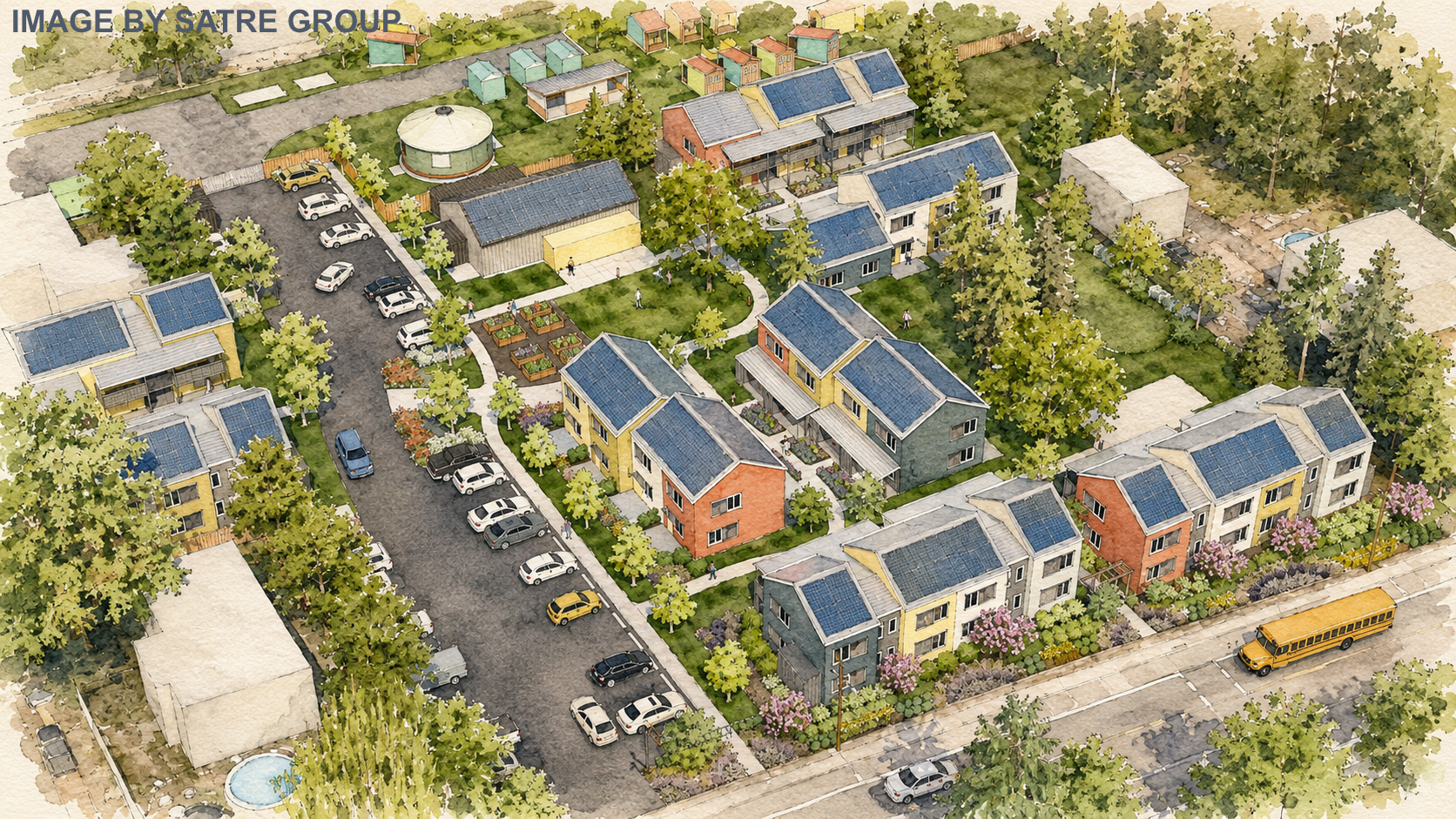
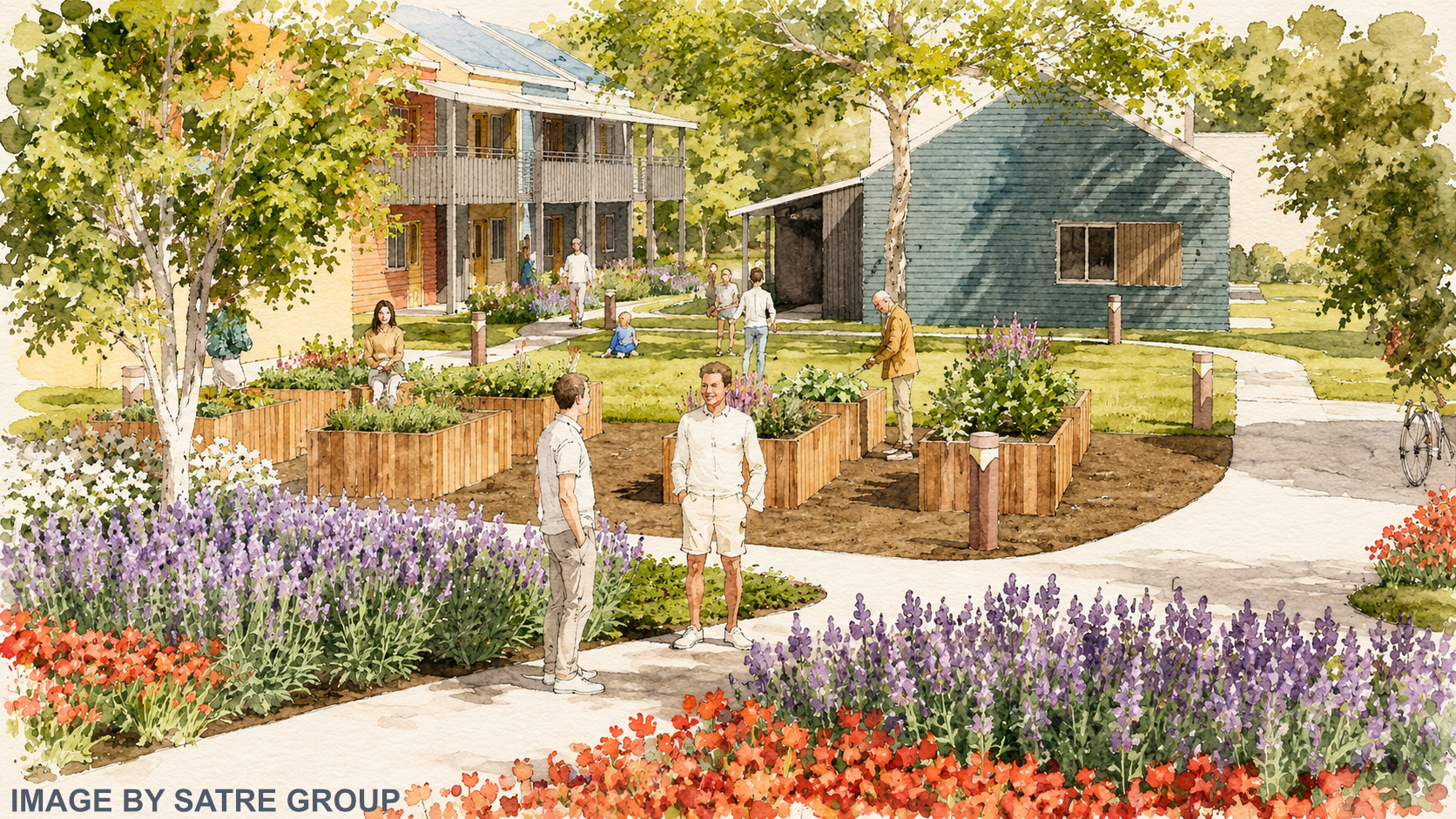
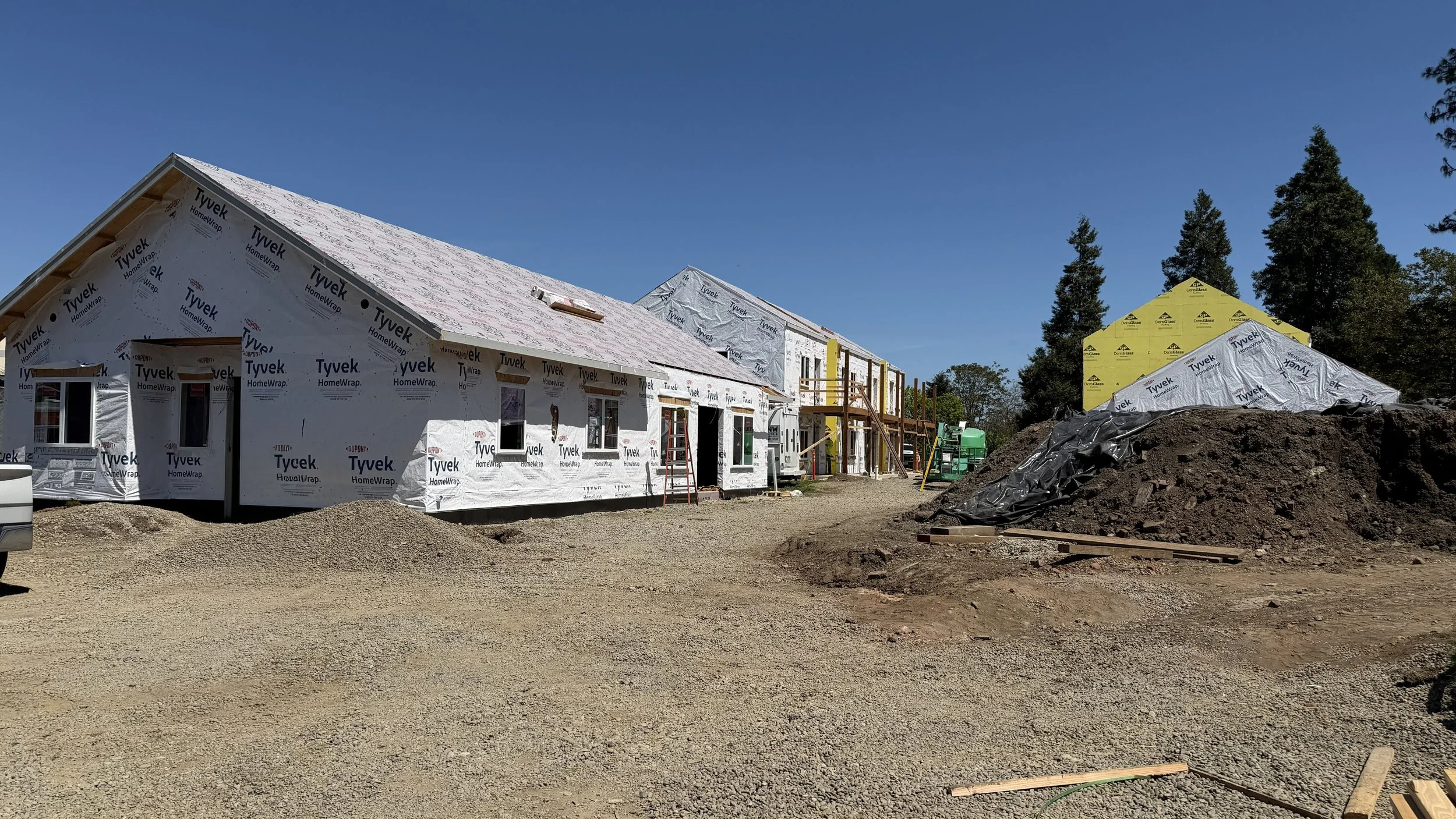
Local nonprofit housing developer SquareOne’s Rosa Village Co‑op project is shaping a new, permanently affordable residential community on a 3.3‑acre site along Roosevelt Boulevard in Eugene. The architectural development of the southern 2.0 acres is currently underway, transforming the site into a cohesive 52‑unit limited-equity cooperative composed of (40) one‑bedroom flats and (12) two‑bedroom townhome-style homes. The project is being organized to balance density, livability, and community connection, with buildings, shared community spaces, and a centralized shared services building thoughtfully integrated alongside open spaces to foster interaction while maintaining privacy for residents.
Drawing from the design principles of Peace Village Co‑op, the site planning emphasizes shared open space, pedestrian circulation, and a strong sense of place. The architecture supports a cooperative living model through clustered housing, accessible pathways, and common areas that encourage both formal and informal gathering. Sustainable design strategies, efficient unit layouts, and durable material choices are being integrated to ensure long-term performance and affordability.
The project was required to comply with regulatory requirements tied to programs such as Earth Advantage’s Platinum rating and Oregon’s LIFT Homeownership program and Affordable Housing Tax Credits, which influence design decisions related to unit size, accessibility, and energy efficiency. Anticipated for occupancy in early 2027, the project is advancing as a replicable architectural model for community-oriented, resident-owned affordable housing in Oregon.