
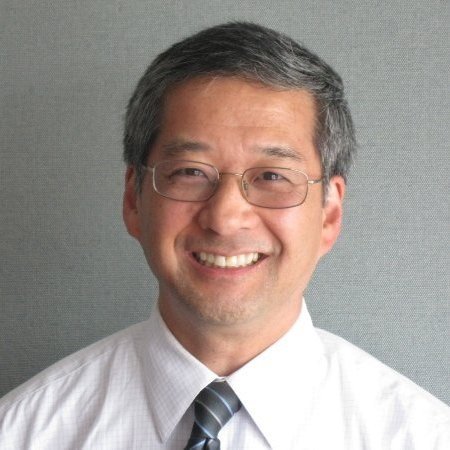
Message from an AIA Eugene and CSI Willamette Valley Chapter Member


Randy Nishimura, AIA, CSI, CCS
Principal, Robertson/Sherwood/Architects pc

Why CSI?

I’ve been a member of the Construction Specifications Institute since my return to Oregon in 1988. Prior to joining I did not know exactly what CSI was all about. My boss, James M. Robertson, FAIA, FCSI, persuaded me to attend a meeting of the Willamette Valley Chapter to learn more. This would be my introduction to a diversified and close-knit community of construction professionals, many of whom I now count as trusted friends and advisors.

While the accomplishments of CSI include continuous development of construction documentation standards (such as MasterFormat) and the education of professionals to improve project delivery processes, it is perhaps the organization’s diversity that is its greatest achievement. Unlike the American Institute of Architects, which primarily limits its membership to architectural professionals, CSI membership is open to anyone interested in the advancement of construction communication standards. In addition to architects, the institute welcomes the participation of engineers, contractors, facility mangers, product representatives, manufacturers, owners, and of course construction specifiers. The only qualification is a common desire to contribute to the improvement of communication in the construction industry.

Before I became a CSI member, my contacts among the many non-architect participants involved with construction projects were most often limited to job-related exchanges. Seldom were my encounters of an informal or social nature with contractors or the others. My association with the Willamette Valley Chapter broke down the unspoken barriers I was accustomed to, allowing me to develop meaningful cross-disciplinary relationships. Today, these relationships have improved my effectiveness as an architect. There’s no substitute for mutual respect and friendship when it comes to working together to successfully complete complex and difficult projects.

The Willamette Valley Chapter is one of the more decorated and active of the 140+ CSI chapters around the country. Numerous WVC members have held offices at the region and national levels as committee chairs, region directors, and Institute president. I’m not sure, but it would not surprise me at all if the Willamette Valley Chapter has a higher proportion of members who have been elevated to Institute fellowship than any other. We are blessed with an incredibly energetic, motivated, and collegial group of construction professionals.

Jim Robertson is a case in point. Throughout his lengthy involvement with CSI, Jim has helped to develop and promote standards for design documentation and construction contract administration. These include CSI MasterFormat and contributions to CSI’s Project Resource Manual, which is recognized as the foremost primer about the proper principles, techniques, and formats for writing and organizing specifications. Along the way, Jim participated on numerous institute committees and boards, including service as Northwest Region director and national vice president. He now represents CSI as one of eighteen member organizations of the International Construction Information Society (ICIS), which is dedicated to establishing international construction documentation standards.

Besides Jim, other Willamette Valley Chapter members welcomed and encouraged me to make the most of what CSI has to offer. They included Paul Edlund, FCSI, who to this day remains the chapter’s sage and its heart and soul, as well as Ron Eakin and Jim Chaney (Institute president 2000-2001). My network of mentors also numbered long-time members Gary BartelLinn West, and the late Jim Bernhard. The depth of knowledge and immense pool of experience and wisdom I was able to tap helped shape who I am today as a professional.

Thanks to their encouragement, I would eventually assume a number of Willamette Valley Chapter board positions, culminating in my tenure as chapter president in 1995-96. From a personal development perspective, my period as a board member and as president proved enriching and instructive. I’ve taken what I’ve learned from this experience and applied it to my work and everyday interactions.

Veteran members have also been the foundation of the education and certification programs CSI offers. Offering their knowledge and time without remuneration, Paul, Ron, Linn and others have shouldered the burden of teaching the certification programs. I took advantage of these offerings early on to secure both Construction Documents Technologist (CDT) and Certified Construction Specifier (CCS) certifications. These credentials definitely carry weight in the industry and are evidence of my competence with construction documentation and communication.

Additional benefits of my membership with the Willamette Valley Chapter of CSI include the monthly chapter meeting programs and CSI-sponsored “lunch & learn” presentations. I’ve consistently found these to be informative and convenient means to acquire many of the continuing education credits I need for the purposes of maintaining my State of Oregon architect’s license and membership with the AIA.

It’s important to point out that I fully consider my involvement with the Construction Specifications Institute to be a complement to and not a substitute for my AIA participation. Both organizations serve my needs well as an architect and are not mutually exclusive.

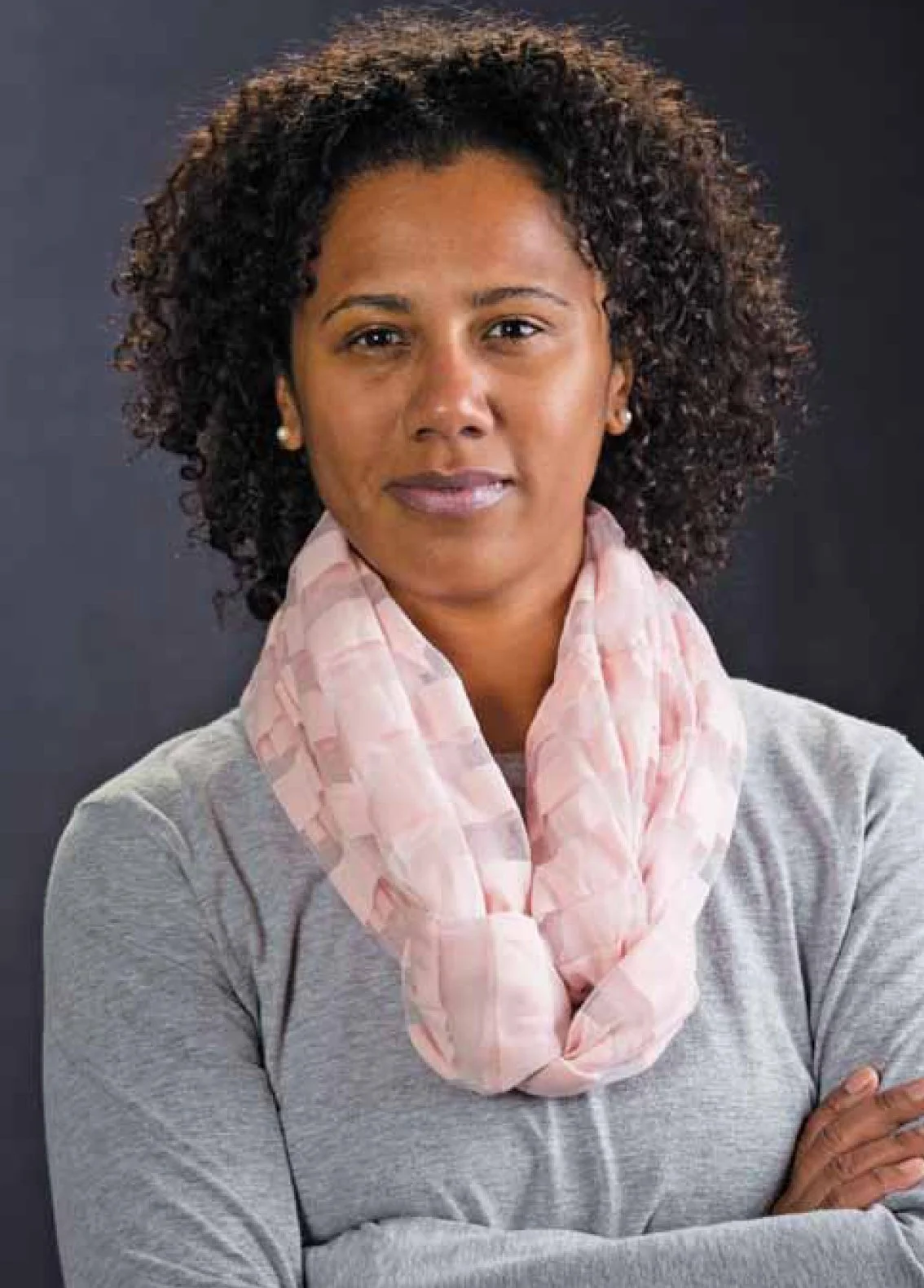
Message from an AIA Oregon Fellow


Roderick Ashley, FAIA
Member, AIAO Fellows Committee

Fellowship in the American Institute of Architects is the second highest honor bestowed upon an individual other than the AIA Gold Medal. The AIA recognizes members as Fellows for design excellence; elevating standards in the profession, and service to the Institute, other organizations, and community. Today, over 3,000 members are recognized as Fellows.

The AIA was founded in 1857 and the first mention of “Fellow” was in 1873. The AIA College of Fellows (COF) as known today held its first Investiture Ceremony during the 1953 AIA Convention in Seattle when Portland’s Glenn Stanton, FAIA, was President. Two years later, Elizabeth Coit was the first woman advanced to Fellowship. Since then, members are nominated to apply for advancement into the COF, and continue to be invested into the College during the National Conference which usually occurrs in a unique and often historical venue in the Conference city.

The first Oregon Fellow was Edgar M. Lazarus who was elevated in 1895. Today, there are 57 Fellows in the state, and most reside in Portland. Although the Northwest and Pacific Region (NW&PR) has been officially dissolved, the COF elected to retain the region model of representation due to the disparity of Fellows in large versus small states.

I always thought this recognition came from members of my local Chapter deciding who receives this award, knowing nothing of the process or if I was even qualified or had the credentials to be recognized. The reality is that it is up to the individual member to decide if they want to pursue the path to Fellowship, and let it be known to the Chapter and Fellows Committee so they can provide input and support to an applicant.

Once a Fellow, the decision is yours regarding how you want to be involved. At this time, I am one of the two Representatives to the COF from the previous NW&PR. It is our responsibility to be the liaison between our COF members and the COF Executive Committee, and to be available to answer questions of current Fellows and those anticipating applying for Fellowship.                                                                                                             

The COF’s Mission is to promote Research and Scholarly Work; Mentor Young Architects and Emerging Professionals; and Sustain the College. The College supports the Young Architects Forum and Upjohn Research Initiative; it also oversees the Young Architect Award and honorariums, the $100,000 Latrobe Prize Research Grant, and Emerging Professionals Component Grants. For some, elevation to Fellow is the penultimate chapter of their career. More often, the recognition is a call to action for giving back to the profession that has supported them and one they find so satisfying.

Mentorship is a strategic goal for Fellows, and opportunities for involvement are available immediately. There are two virtual programs sponsored by the COF that have been created over the past several years. The ALIGN program is meant for Young Architects to meet with Fellows on a regular basis to discuss issues of practice and events affecting the profession in general. Along with another Fellow in Albuquerque, the two of us meet every month with five members who live across the country. The NEXUS program is similar, although it has been oriented toward Emerging Professionals who typically meet one-on-one throughout the year. These two programs are advertised locally every year and are a great way to meet members throughout the country and share ideas and be involved in broader issues. AIA Oregon offers opportunities through leadership and participation on the Board of Directors, Committees, and Sections. Fellows are actively involved in all facets of AIA activity.

Pursuing Fellowship is an opportunity available to any member. Requirements for applying are relatively simple – ten years of cumulative membership in the AIA; obtaining the support of either your assigned Component (AIA Oregon), five Fellows or any ten members in good standing from anywhere in the nation; and prepare a 40-page submission that tells a story of your career and influences upon others through work and service. The application is all about the applicant – who they are; their accomplishments and why they are significant; and who and how others benefited from your work, or its ripple effects. New Fellows range in age from late 30’s into their 80’s.

Members apply for Fellowship in one of six Objects, commonly referred to as categories. The application is the means for proving your story through a summary page; showing significant work, publications, and awards; exhibits of work; and reference letters. Working with a sponsor helps applicants navigate the process, and assist in critiquing and editing the submission. Although the application process can be an arduous endeavor, the upside is an opportunity to look at your career, recognition, and professional interests in a way that can be shared with others – including family and friends who often question what we were up to all of those early mornings and late nights.

If you have any interest in pursuing Fellowship, even if you are not yet ready for application, I urge you to attend the Demystifying Fellowship webinar on May 25th. Some Oregon Fellows will be participating and will hopefully have good answers to your questions. You can learn valuable tips about how to prepare for application so you will be more informed when you are ready. If you are considering application this year, these sessions will offer a unique opportunity to refine and review with others who have previously navigated the process. Applications are due in the fall – this year on October 5th.

If you are planning on attending the A’23 Conference next month, you may want to attend the COF Class of 2023 Investiture on Thursday afternoon at the Moscone Convention Center, Moscone West, Level 3. It is a memorable ceremony where the impact statements of each recipient are read, giving you more perspective on this rewarding opportunity for your dedication and service to the profession. I certainly remember my 2017 Investiture in Orlando, Florida, and I look forward to seeing some new and familiar faces in San Francisco.

Roderick Ashley, FAIA

Message From the AIAO EVP/CEO


Heather Wilson
AIA Oregon Executive Vice President/CEO

More Than Just Meetings

In just a few weeks, there will be a call for applications to the AIA Oregon Board of Directors, and I am looking forward to hearing from members interested in joining this dynamic group. The AIA Oregon Board of Directors is a vibrant, active group of professionals from around the state, in all levels of their career, coming together to accomplish the strategic goals of the membership.

While that is a neat summation, it still doesn’t tell you all you can expect as a member of the AIA Orgon Board of Directors. Our board members are tasked with achieving long term goals, fiduciary responsibility, and future viability for the chapter and for the profession. Serving a term (or two!) on our board will leave you more knowledgeable about the Oregon Legislature, laws that affect practice locally and nationally, and how you can make an impact. You’ll have direct influence over the protection of professional practice, and you can take that voice all the way with us to Capitol Hill in DC for Leadership Summit, an activity we support our Board of Directors to attend.

By working with your Board class, you will develop relationships that will extend beyond the table, and you’ll have the opportunity to sharpen communication skills, listening skills, and leadership skills.

Don’t think you’re qualified? Don’t know if you’re the type of member who would be a good Board member? If you’re a member, you’re qualified. Bring your experiences, insights, and concerns exactly as they are to the table for discussion. Are you a great manager of tough conversations? A master detangler of interconnected issues? A provider of safe spaces for creativity? You’re more than qualified. Don’t think you’re any of those things yet? You can be if you join.

For example, this week, President Kaley Fought, AIA had the opportunity to testify before the Oregon Legislature in support of clean air, water and energy bills we have been working on for at least a year and a half through dedicated volunteer efforts. While it was just a few minutes of time in the scheme of things, she left an impression with the committee members of organizational unity and represented the full professional body of licensed practitioners when she spoke. This is the last benefit of being a Board Member – accessing and having the tools to maximize the agency of your voice.

I hope that this year, when you see the call for applications, you give it serious consideration and reach out to me or other Board members to connect and learn more. This will be an exciting few years to be a Board member – there are lots of key decisions to be made in the next 2-4 years. Along with the ongoing work to consider the future of AIA Oregon headquarters, we’re also going to be planning ODC24, creating a new diversity scholarship for the state, and refreshing our strategic plan.

I hope that you’ll consider bringing your unique self and skills to the table. You may be exactly the voice we need.

AIAO President Kaley Fought (left) testifies, along with Merideth Connolly of Climate Solutions and Alex Boetzel of EarthAdvantage, before the Oregon State Legislature, May 2023.